









Why Daylight Saving Time Disrupts Your Sleep and How to Fix It at Home

Every year, the shift caused by Daylight Saving Time sparks the same conversation: why does such a small one-hour change feel so disruptive?
A recent discussion on Reddit highlights just how widespread this issue is. Many users report that their sleep feels “off,” their energy drops, and their routines take days—or even weeks—to recover.
“My entire system feels off… I never adjust.”
“It’ll take easily a week or two to get adjusted.”
These shared experiences reveal a deeper truth: our bodies are far more sensitive to time shifts than we think.
Why Daylight Saving Time Affects Sleep So Much
Even though the clock only shifts by one hour, your internal body clock—also known as your circadian rhythm—doesn’t instantly adapt.
Many people on Reddit describe feeling tired, disoriented, or even frustrated after the change. Some mention long adjustment periods, while others say their sleep schedule remains disrupted for months.
Scientific explanations support these experiences:
- The body relies on consistent light exposure and timing
- Sudden shifts create a form of “social jet lag”
- Sleep cycles, hormone release, and energy levels all get disrupted
Even small changes can lead to reduced sleep quality and lingering fatigue.
Real-Life Sleep Struggles from Reddit
What makes the Reddit discussion especially valuable is how relatable the experiences are:
- Some people never fully adjust to the time change
- Others feel physically exhausted for days
- Parents report that even children and pets struggle to adapt
Interestingly, not everyone reacts the same way. A few users actually enjoy the extra daylight in the evening, saying it boosts productivity and mood.
This contrast shows that sleep disruption isn’t just about time—it’s about environment, routine, and personal sensitivity.
How to Recover Faster from Time Changes
While you can’t control the clock change, you can control your environment.
Here are practical ways to adapt faster:
- Expose yourself to natural light early in the day
- Stick to consistent sleep and wake times
- Avoid sudden schedule shifts when possible
- Create a calming nighttime routine
But one of the most overlooked factors is your home atmosphere.
Why Your Home Environment Matters More Than You Think
Many people focus on sleep schedules but ignore the environment where sleep actually happens.
Your brain responds strongly to sensory cues:
- Light signals when to wake or wind down
- Sound influences relaxation and stress levels
- Consistency helps your body build rhythm
This is where a well-designed ambient system can make a noticeable difference.

🎧 A Smarter Way to Reset Your Routine: MorningBlues S1
If your sleep feels disrupted after Daylight Saving Time, upgrading your environment can help restore balance.
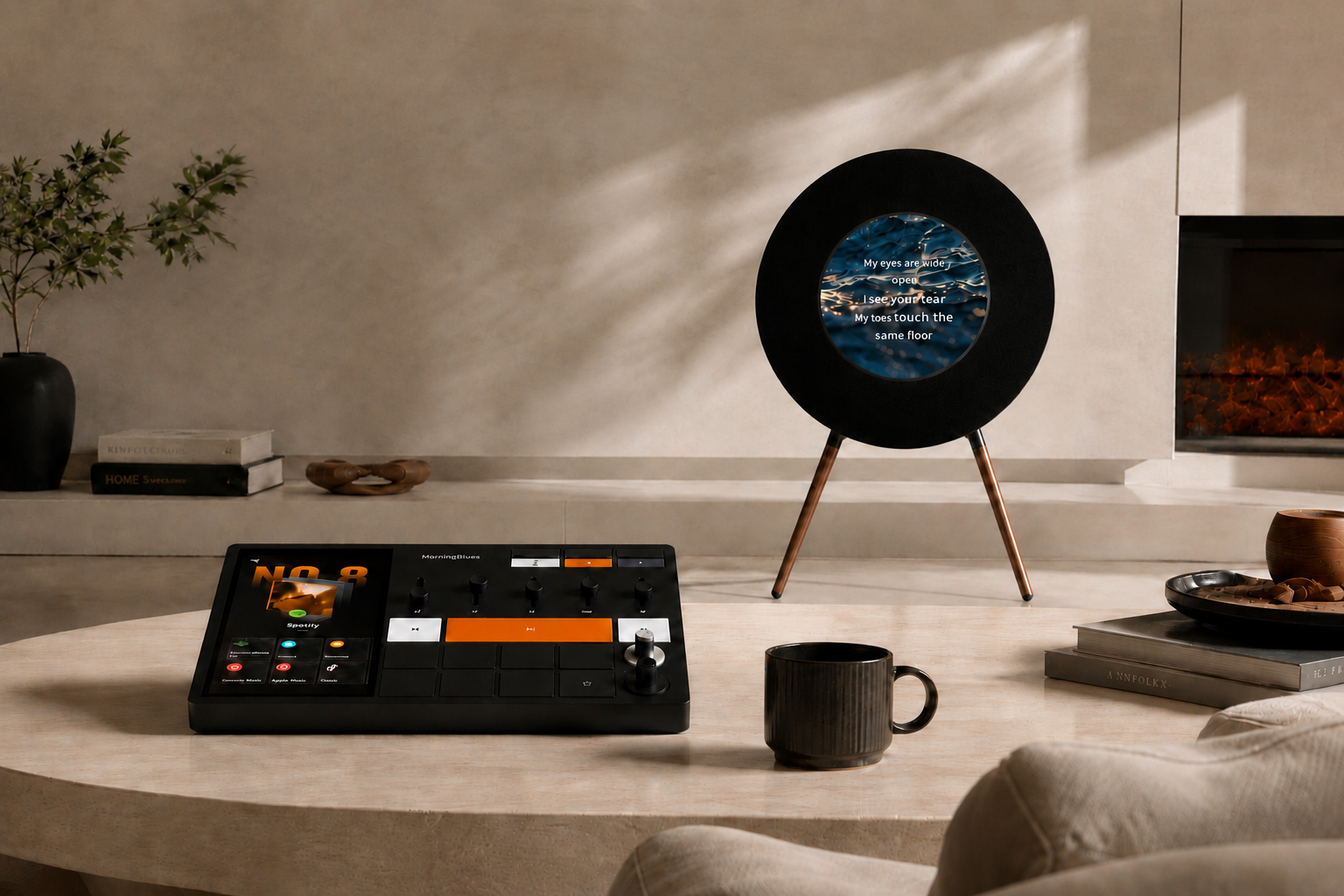
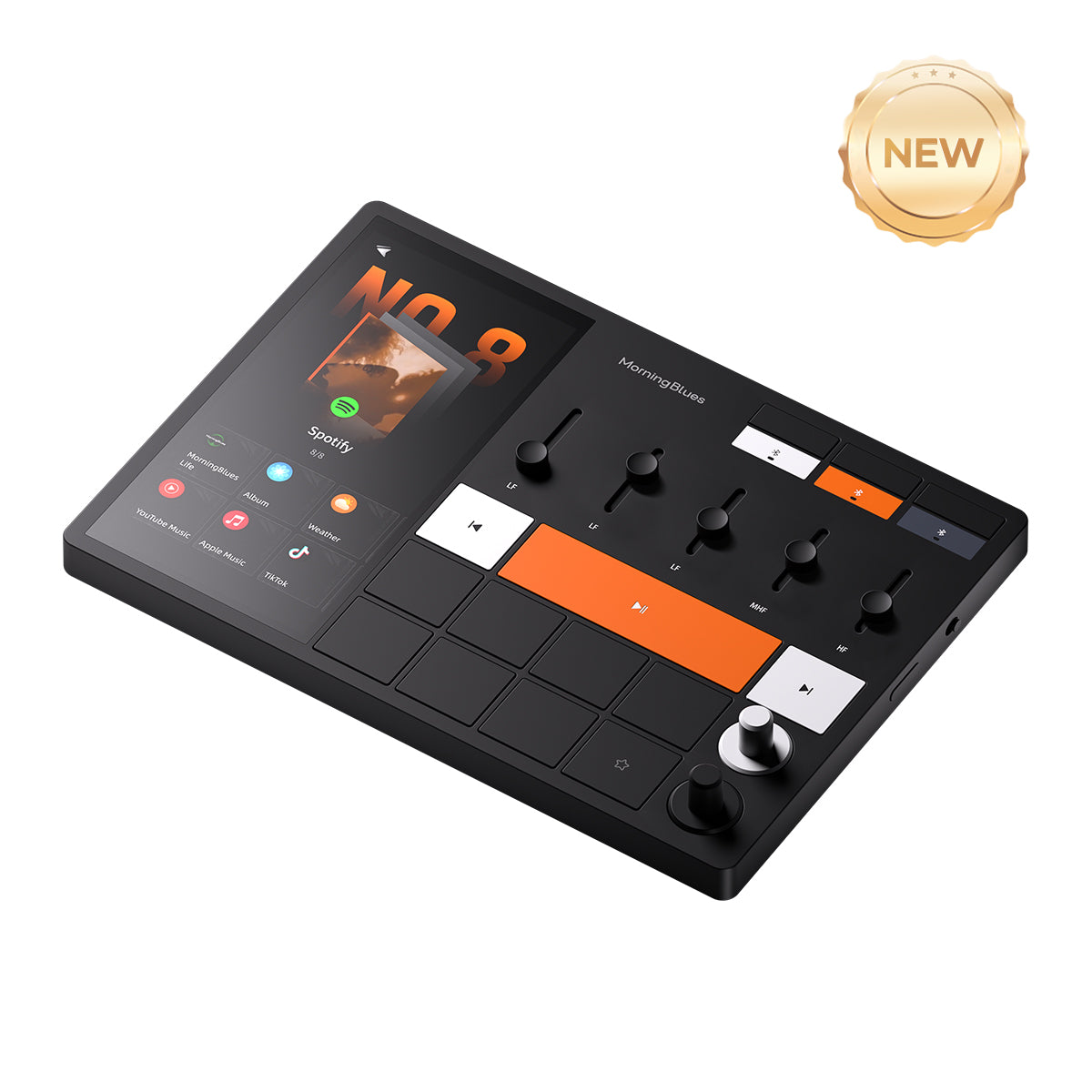
The MorningBlues Cabinet S1 is designed specifically for this kind of daily rhythm support. Recognized for its thoughtful design, the S1 has been honored with the iF Design Award 2026 — a global benchmark for excellence in product design.

- Soft ambient lighting helps signal nighttime and relaxation
- Balanced stereo sound creates a calming background for evenings
- Designed like furniture, it fits naturally into your bedroom or living space
Instead of forcing your body to adjust instantly, the S1 helps guide your routine gradually—making it easier to wind down and fall asleep.
Price reference: The MorningBlues S1 is positioned as a premium home audio piece, typically offered in the mid-range category for design-focused speakers, and is currently available with promotional pricing.
Small Changes That Make a Big Difference
Based on both real user experiences and sleep science, here’s what actually helps:
- Don’t rely only on willpower—adjust your environment
- Use consistent sound and lighting cues every evening
- Build a routine your body can recognize and follow
Devices like the S1 don’t just play music—they help create a predictable, calming rhythm your brain can trust.
Final Thoughts
Daylight Saving Time may only shift the clock by one hour, but for many people, it disrupts sleep, mood, and daily energy in a real way.
As the Reddit discussion shows, this isn’t just a personal issue—it’s a shared experience across different lifestyles and age groups.
The key isn’t just “getting used to it.”
It’s creating an environment that helps your body adjust naturally.
With the right atmosphere—soft light, calming sound, and consistent routines—you can turn a frustrating time change into an opportunity to reset your sleep in a healthier way.

Leave a comment
All comments are moderated before being published.
This site is protected by hCaptcha and the hCaptcha Privacy Policy and Terms of Service apply.